
The lash industry isn’t what it used to be.
A few years ago, most products were designed for salons. Now, everything is shifting toward DIY lashes, at-home application, and brand-driven products. That shift has created a new challenge—finding a manufacturer that can actually keep up.
Because here’s the reality: not every lash supplier is built for today’s market. Some focus on mass production. Others focus on branding. Very few understand how to support a complete lash system, from product development to packaging.
If you’re building a lash brand in 2026, your manufacturer isn’t just a supplier—it’s your foundation.
In this guide, you’ll find five trusted lash manufacturers shaping the industry right now, including one of the few factories specializing in DIY lash systems at scale.
1. Heyme Beauty – Lash System Manufacturer
|
|
If your focus is DIY lashes, Heyme Beauty immediately stands out.
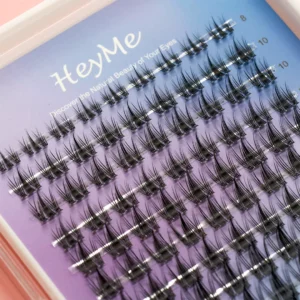
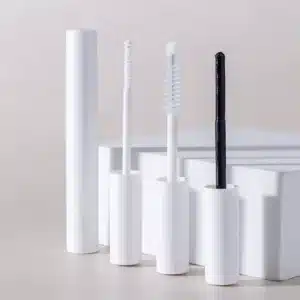
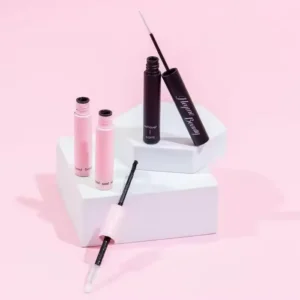
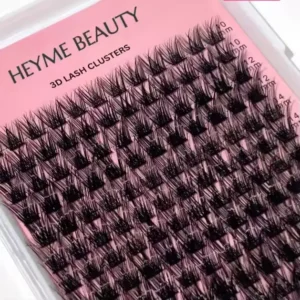
Instead of acting as a general lash supplier, Heyme Beauty positions itself around a very specific direction: cluster lashes and at-home lash systems. That includes not just the lashes themselves, but also bond & seal products, removers, and packaging—all developed as one cohesive system.
That difference matters more than most people expect.
Many brands today struggle because they source lashes, glue, and packaging from different suppliers. The result is inconsistency—different performance, different timelines, and more risk. Heyme Beauty solves that by keeping everything in-house and aligned, which gives you better control over quality and lead time.
You’ll also notice their flexibility. Whether you’re testing a new lash style or scaling an existing product line, they support OEM, ODM, and private label production with relatively low barriers to entry.
Why brands choose Heyme Beauty:
- Focused on DIY and cluster lash systems
- One-stop production (lashes + adhesive + remover + packaging)
- Stable quality with controlled manufacturing
- Flexible MOQ for growing brands
- Fast sampling and scalable production
If you’re building a modern lash brand—especially in the DIY category—this kind of specialization gives you a real advantage.
| Category | Product Type | Customization Available | Application Scenario |
|---|---|---|---|
| Cluster Lashes | DIY lash clusters (segmented lashes) | Length, curl, thickness, band style | At-home lash extensions |
| Strip Lashes | Full strip false eyelashes | Style, volume, lash pattern | Daily wear, retail |
| Individual Lashes | Single lash extensions | Diameter, length, curl | Professional salon use |
| Premade Fans | Volume lash fans (2D–10D) | Density, base type | Lash technicians |
| DIY Lash Kits | Complete lash system kits | Branding, packaging, tool sets | E-commerce / private label |
| Lash Adhesive | Bond & seal / extension glue | Formula, drying time, retention | DIY & salon use |
| Lash Remover | Cream / gel removers | Formula, sensitivity level | Safe lash removal |
| Lash Tools | Applicators, tweezers | Logo, material, color | Application support |
| Lash Packaging | Boxes, trays, custom kits | Full OEM/ODM design | Brand building |
| Special Materials | Faux mink, silk, synthetic fibers | Material selection | Premium product lines |
2. Lashify – The Brand That Defined DIY Lashes
Before DIY lashes became mainstream, Lashify was already building the category.
They introduced the concept of underlash application systems, combining lashes, tools, and adhesives into a unified experience. Today, they’re known less as a manufacturer and more as an innovation-driven brand.
What makes Lashify interesting is how they think about the product—not just as lashes, but as a system designed for repeat use. That mindset has influenced much of the current DIY lash market.
Strengths:
- Strong product innovation and patents
- Premium brand positioning
- Complete DIY lash ecosystem
If you’re studying the market, Lashify shows you what top-tier product positioning looks like.
3. Lilly Lashes – Premium Branding & Visual Appeal
Lilly Lashes took a different route to success.
Instead of focusing on manufacturing or systems, they built a brand around visual identity and influencer-driven growth. Their styles are bold, dramatic, and instantly recognizable—designed for social media as much as for wear.
This approach helped them dominate the premium strip lash segment, especially in retail and DTC channels.
Strengths:
- Strong brand recognition
- Influencer and celebrity exposure
- Distinctive lash styling
If your goal is brand-building and market visibility, Lilly Lashes is a strong reference point.
4. Ardell – Mass Market Volume Leader
Ardell represents the opposite end of the spectrum.
They focus on accessibility, consistency, and scale. You’ll find their products everywhere—from drugstores to large retail chains—which makes them one of the most widely distributed lash brands globally.
They don’t chase trends as aggressively. Instead, they focus on being reliable and affordable.
Strengths:
- Massive global distribution
- Consistent product quality at scale
- Strong presence in retail channels
If you want to understand how to win in the volume-driven market, Ardell is a clear example.
5. KISS Products – Scalable Beauty Manufacturing
KISS Products sits somewhere in between brand and manufacturing powerhouse.
They operate at a large scale, producing not only lashes but a wide range of beauty products. Their strength lies in efficient production systems and global distribution, which allows them to respond quickly to market demand.
They’ve also adapted well to changing trends, including DIY lashes and press-on beauty products.
Strengths:
- Strong manufacturing infrastructure
- Fast product rollout capability
- Broad beauty product portfolio
If scalability and speed matter to your business, KISS offers a useful benchmark.
How These Lash Manufacturers Actually Differ
One thing becomes clear when you compare them side by side:
| Manufacturer | Core Strength | Best For |
|---|---|---|
| Heyme Beauty | lash system manufacturing | Private label & OEM brands |
| Lashify | Innovation & product systems | Premium DIY market |
| Lilly Lashes | Branding & design | DTC & influencer brands |
| Ardell | Mass production | Retail distribution |
| KISS Products | Scalable manufacturing | Global beauty expansion |
Most buyers make the mistake of comparing these companies as if they do the same thing.
They don’t.
Some are brands, some are manufacturers, and only a few actually support full product development.
What Most Buyers Overlook
Here’s something you don’t hear often:
Many well-known lash brands don’t manufacture their own products.
They rely on OEM factories—often in China—to produce lashes, adhesives, and packaging. What they control is branding, marketing, and distribution.
That’s why choosing the right manufacturer matters so much.
If your supplier can’t support product consistency, customization, or scaling, your brand will eventually hit a ceiling—no matter how good your marketing is.
Conclusion
The lash industry in 2026 is no longer just about selling lashes. It’s about building systems, supply chains, and repeatable products.
Brands like Lashify and Ardell dominate the market on the surface. But behind that success, the real leverage often comes from the manufacturing side.
If your goal is long-term growth, working with a specialized manufacturer like Heyme Beauty—especially in the DIY lash category—gives you more control, faster development cycles, and a stronger foundation to scale.
Because in the end, the brands that win aren’t just the ones that market well.
They’re the ones built on the right supply chain from day one.