

You know how frustrating it feels when seasonal changes make lash retention unpredictable. As artists, you see the results of humidity and temperature effects on eyelash extension glue every day. If you do not control humidity in your lash room, the viscosity and drying time of your adhesive can shift.
Too much moisture makes glue cure too quickly, while too little slows it down, causing lashes to slip or stick together. This table shows why you need to choose the right lash adhesive and manage your environment for client safety and lasting results:
| Factor | Recommended Range | Impact on Lash Retention and Safety |
|---|---|---|
| Temperature | 68–75°F | Affects adhesive performance and curing time |
| Humidity | 45–60% | Influences bond integrity and retention |
| Adhesive Bloom | N/A | Can irritate clients due to fumes |
| Airflow | N/A | Should not blow directly onto lashes to avoid curing issues |
Heyme Beauty stands ready to support you with innovative products and expert guidance.
Key Takeaways
- Maintain humidity between 45% and 60% for optimal lash glue performance. This range ensures strong bonds and reduces retention issues.
- Keep your workspace temperature between 68°F and 75°F. This helps the glue cure properly and prevents premature lash shedding.
- Use a digital hygrometer and thermometer to monitor your lash room conditions. Regular checks help maintain ideal humidity and temperature.
- Select the right adhesive based on your environment. Use slower-curing glue in humid conditions and faster-curing options in dry climates.
- Control your workspace environment with humidifiers or dehumidifiers. This ensures consistent lash retention and client comfort.
Science Behind Eyelash Extension Glue Curing
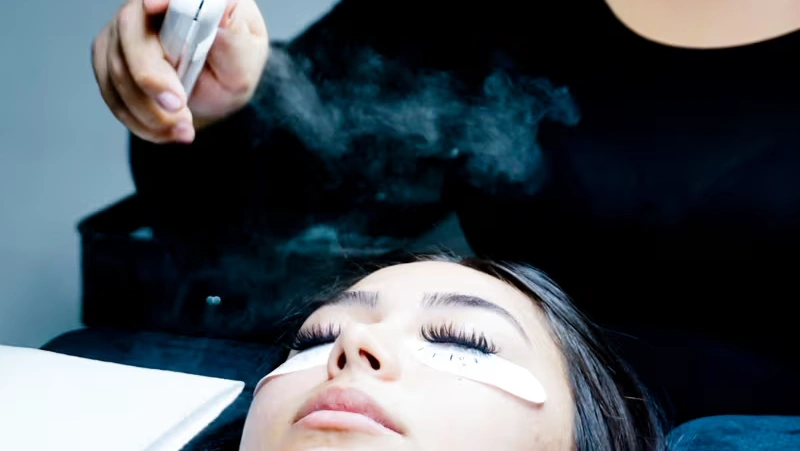
Cyanoacrylate Reaction with Humidity
You rely on eyelash adhesive to create strong, lasting bonds. The science behind lash adhesive bonding centers on cyanoacrylate, a medical-grade compound that reacts with moisture in the air.
When you expose the glue to the right amount of humidity, the adhesive transforms from liquid to solid, securing the extension to the natural lash. The ideal humidity range for this process falls between 40% and 70%. Within this range, you achieve optimal cure speed and bond strength.
Tip: Monitoring your workspace humidity helps you maintain consistent results and avoid retention issues.
The following table summarizes how different humidity levels affect the curing process:
| Humidity Range | Effect on Curing |
|---|---|
| 45-65% | Optimal cure speed and bond strength |
| High Humidity | Cures too fast, trapping fumes, creating brittle bonds |
| Low Humidity | Cures too slowly or incompletely |
Choosing the right glue for your environment means matching your adhesive to the ideal humidity. This step ensures you deliver safe, reliable results for every client.
Temperature Effects on Lash Glue Performance
Temperature also plays a critical role in eyelash adhesive performance. High temperatures can soften the glue, reducing its bonding strength over time. Prolonged exposure to heat may compromise the integrity of the bond, leading to premature lash shedding.
You must keep your workspace within the recommended range to support proper lash adhesive bonding.
- High temperature and moisture levels can stress adhesive bonds.
- Consistent, moderate temperature helps you achieve the best retention.
When choosing the right glue, always consider both temperature and humidity. This approach allows you to maintain the highest standards for your lash services and client satisfaction.
Optimal Humidity and Temperature for Lash Extension Glue
Ideal Ranges for Long-Lasting Lash Extension Retention
You must control your lash studio’s environment to achieve long-lasting lash extension retention. The impact of humidity on adhesive performance is significant. When you keep humidity between 45% and 60%, you create the best conditions for glue to bond quickly and securely.
This range minimizes the risk of premature shedding and helps you avoid common issues like poor retention or irritation.
Temperature also plays a vital role. You should maintain your workspace between 22°C and 26°C (71°F to 79°F). This range supports predictable glue behavior and maximizes lash retention. If the temperature rises above this range, the glue may cure too fast, leading to weak bonds.
If it drops below, curing slows down, which can cause lashes to slip or stick together.
To keep these conditions stable, use a digital hygrometer and thermometer. Adjust humidity with a humidifier or dehumidifier as needed. Control temperature with air conditioning or a space heater, but avoid direct sunlight on your workspace.
These steps help you manage the impact of humidity and temperature, ensuring consistent retention for every client.
Heyme Beauty understands the importance of these factors. The brand develops adhesives that perform reliably within these optimal ranges, supporting your professional results and client satisfaction.
Quick Reference Chart for Lash Artists
Here is a quick reference chart to guide your daily setup:
| Parameter | Recommended Range |
|---|---|
| Humidity (RH) | 45% – 60% |
| Temperature | 22°C – 26°C (71°F – 79°F) |
Tip: Monitor your lash room conditions before every appointment. Consistent control of humidity and temperature will help you deliver the best lash retention and client comfort.
Humidity and Temperature Effects on Eyelash Extension Glue
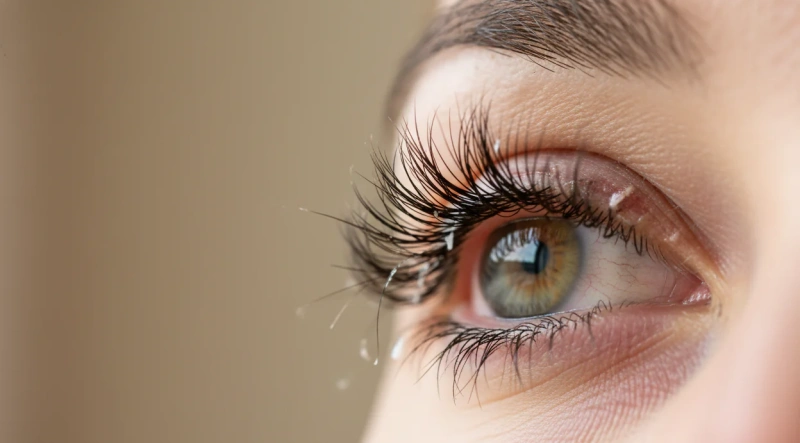
High Humidity: Fast Curing and Retention Issues
You face unique challenges when humidity rises above optimal levels in your lash studio. High humidity and temperature effects on eyelash extension glue become immediately noticeable. When humidity exceeds 60%, lash adhesive cures at an accelerated rate.
This rapid curing process can prevent the glue from forming a strong attachment to the natural lash. You may notice that the glue dries before you can position the extension correctly, leading to poor bonding.
- High humidity causes lash adhesive to cure too quickly.
- The glue may become stringy or set before you finish placement.
- Shock polymerization can occur, making the bond brittle and prone to breakage.
- Lashes may pop off prematurely, reducing retention and client satisfaction.
You must understand how humidity affects lash adhesive to avoid these issues. The impact of humidity on lash extension glue bonding is significant. If you do not control your environment, you risk weak bonds and increased client complaints.
Always monitor the effects of humidity and temperature on eyelash extension glue to maintain consistent results.
Tip: Use a dehumidifier to keep humidity within the recommended range and prevent fast curing.
Low Humidity: Slow Curing and Fume Risks
Low humidity presents a different set of problems for lash artists. When humidity drops below 45%, the curing speed of your adhesive slows down. This delay means the glue remains wet longer, increasing the risk of adjacent lashes sticking together or slipping out of place.
You may see more “stickies,” where multiple lashes bond together, which can damage natural lashes.
- Low humidity slows down the curing process, making application more difficult.
- Lashes may lean, slip, or fail to adhere properly.
- The presence of adhesive fumes increases, leading to eye tearing, burning, or inflammation.
- Prolonged exposure to fumes raises the risk of developing glue allergies.
You must recognize that humidity and temperature effects on eyelash extension glue extend beyond retention. When humidity is low, adhesive fumes seek out moisture, often drawing toward the client’s eyes. This can trigger a cycle of irritation and increased tearing, making the service uncomfortable.
Understanding how humidity levels impact lash glue helps you protect both your clients and your reputation.
Note: Always use a hygrometer to track humidity and adjust your workspace as needed.
Temperature Extremes: Impact on Glue and Retention
Temperature extremes can disrupt your lash extension services. Both high and low temperatures affect glue consistency and performance. When the temperature rises above 26°C (79°F), glue may cure too quickly, resulting in brittle bonds and poor retention.
If the temperature falls below 22°C (71°F), the adhesive thickens and cures slowly, causing lashes to clump together or misalign.
| Condition | Effect on Glue Performance |
|---|---|
| Too High (>65%) | Cures too fast, leading to poor retention (popping lashes) |
| Too Low (<35%) | Cures too slowly, causing lashes to clump together (stickies) |
You must avoid using expired or low-quality adhesives, as they fail under extreme climate conditions. This can lead to increased shedding, irritation, and a drop in client retention rates.
Humidity and temperature effects on eyelash extension glue become even more pronounced when you use products outside their recommended ranges.
- High humidity can cause glue to dry too quickly, resulting in brittle bonds.
- Low humidity slows down curing, leading to misalignment of lashes.
- Extreme cold thickens glue, while excessive heat accelerates curing.
You need to maintain stable humidity and temperature to ensure optimal glue performance. This approach guarantees strong bonds, comfortable applications, and satisfied clients.
Callout: Always store your lash adhesive in a cool, dry place and check the expiration date before each use.
Solutions and Product Recommendations from Heyme Beauty
Choosing the Right Lash Extension Glue for Your Environment
Selecting the right lash extension glue is essential for consistent results and client satisfaction. You need to match your adhesive to your studio’s humidity and temperature conditions. Heyme Beauty offers a range of lash adhesives designed for optimal performance in various environments.
The best lash adhesives for different humidity levels help you maintain strong bonds and reduce the risk of premature lash shedding.
Here is a quick overview of Heyme Beauty’s adhesive features:
| Feature | Description |
|---|---|
| Humidity-activated glues | Deliver optimal performance at 40-70% humidity. |
| Non-humidity-dependent glues | Useful in dry climates, though less common. |
Temperature spikes can cause lash glue to thicken faster than humidity alone. If your workspace reaches 32°C (90°F) for two hours, the glue lifespan can drop by nearly 40%. Always store your lash extension products in a cool, dry place to preserve their quality.
Tip: Choose slower-curing adhesives for humid environments and faster-curing options for dry climates. This approach ensures reliable adhesion and long-lasting retention.
Tools for Monitoring Humidity and Temperature
You must monitor your room’s humidity and temperature to achieve consistent lash extension glue performance. Investing in the right tools helps you create a stable environment for every application.
Recommended tools include:
- Digital hygrometer: Place this near your lash station for accurate readings of humidity and temperature.
- Humidifier: Use this if humidity drops below 45%. Select a model suitable for your workspace size.
- Dehumidifier: Employ this when humidity exceeds 60% to prevent rapid curing.
- Thermometer: Monitor temperature to keep it within the ideal range of 22-26°C (71-79°F).
Environmental factors like humidity and temperature directly affect lash adhesive performance. Regular monitoring allows you to adjust your setup and maintain the best conditions for lash glue.
Application Tips for Long-Lasting Lash Extension Retention
You can maximize retention and client comfort by adjusting your technique and product choice based on environmental conditions. Follow this lash adhesive guide to adapt your approach:
- Adhesive selection: Use slower-curing lash glue in humid conditions and faster-curing glue in dry climates.
- Room climate control: Maintain ideal humidity and temperature with humidifiers or dehumidifiers.
- Application technique: Work quickly in high humidity to prevent premature curing. In dry conditions, allow extra drying time.
- Lash selection: Opt for lighter-weight extensions during humid weather to reduce stress on natural lashes.
- Cleanliness: Advise clients to use oil-free cleansers and arrive with clean lashes for better adhesion.
You should also match your adhesive to your working speed and the room’s humidity. Fast-drying options suit experienced artists, while slower formulas help beginners achieve precise placement.
Troubleshooting Common Issues
Even with careful preparation, you may encounter challenges related to humidity and temperature. Use these troubleshooting strategies to resolve common problems:
- Monitor humidity and temperature near the lash bed with a digital hygrometer.
- Use moist absorbers or silica gel packets to regulate high humidity at a low cost.
- Ensure proper ventilation to reduce moisture from breath and maintain air quality.
- Select adhesives with slower drying times for high humidity to maintain adhesion.
- Store unused lash glue with silica gel and seal bottles immediately after use.
- Maintain studio temperatures between 68-75°F (20-24°C) and avoid direct sunlight or heating vents.
- Advise clients to avoid direct sunlight and high temperatures after their appointment.
- Use pre-application lash shampoo to remove oils and dust, and consider installing HEPA air purifiers.
High humidity can cause rapid adhesive polymerization, leading to weak bonds. Low humidity slows curing, resulting in inadequate attachment to natural lashes. Prolonged exposure to temperatures above 85°F (29°C) can soften adhesive bonds, while rapid temperature changes may break lash attachments.
Note: Consistent monitoring and quick adjustments help you deliver the best results with every lash extension application.
By following these solutions and using Heyme Beauty’s innovative lash extension glue, you can achieve reliable, long-lasting results for your clients in any environment.
Conclusion
You improve lash extension retention and client safety when you control humidity and temperature in your workspace. High humidity weakens glue bonds and causes premature lifting, while the right adhesive selection ensures lasting results. Heyme Beauty supports you with premium adhesives designed for every environment.
- Monitor humidity and temperature with a hygrometer.
- Choose adhesives that match your climate.
- Organize your tools and keep your workspace comfortable.
Consistent monitoring and quality products help you deliver beautiful, reliable lash extensions every time.
FAQ
What happens if humidity is too high in my lash room?
High humidity makes lash glue cure too fast. You may see poor retention and brittle bonds. Use a dehumidifier to keep humidity between 45% and 60% for best results.
How can I monitor humidity and temperature accurately?
You should use a digital hygrometer and thermometer. Place them near your lash station. Check readings before each appointment for consistent results.
Which Heyme Beauty adhesive works best for low humidity?
Choose a fast-curing adhesive from Heyme Beauty. These formulas work well in dry conditions and help you avoid slow curing and excess fumes.
Can I use a regular room humidifier for my lash studio?
Yes, you can use a standard humidifier. Make sure it fits your studio size. Clean it regularly to prevent bacteria buildup.
How do I store lash extension glue for maximum shelf life?
Store glue upright in a cool, dry place.
Keep the cap tightly closed.
Use silica gel packs to absorb moisture.
Avoid direct sunlight and heat.