

Starting a lash business looks simple from the outside. The market is active, the products are visually appealing, and social media makes the industry look easy to enter. But once people move from idea to execution, they usually realize the same thing: selling lash products successfully takes much more than choosing a logo and ordering a few trays.
A real lash extension business plan helps you slow down and make better decisions before you spend too much money in the wrong places. It helps you think through what kind of business you want to build, who you want to sell to, what products make sense for your market, and what kind of supplier support you will actually need as you grow.
Whether you want to launch a private label lash brand, open an online store, sell to salons, or build a wholesale business, the planning stage matters more than many beginners expect. A clear plan will not remove every risk, but it can prevent many of the common mistakes that make new beauty businesses harder than they need to be.
Why You Need a Lash Extension Business Plan
Many new sellers enter the lash market with the same mindset: start quickly, test some products, and figure out the rest later. That approach can work in some industries, but in lashes it often creates avoidable problems. People order too many styles too early, choose suppliers based only on price, or invest in branding before they really understand their customer.
A good lash extension business plan gives you clarity before you invest real money. Instead of guessing, you begin by defining your business model, identifying who your customers are, and choosing products that actually fit their needs. At the same time, it pushes you to think about pricing, supplier reliability, and long-term growth, which are usually the areas where beginners make the most expensive mistakes.
In other words, a business plan is not just something you write for formality. It is a practical tool that helps you build with more control and less randomness.
Recommended products
-

D Curl Pre Cut Cluster Lashes
-
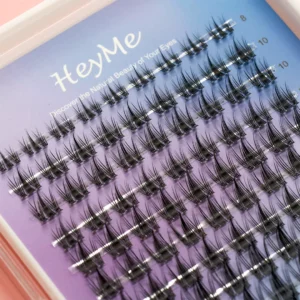
Cluster Lash Kit
-
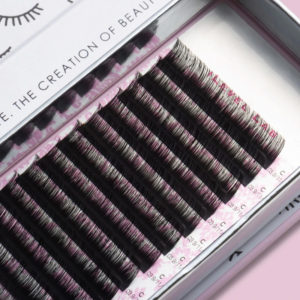
Camilla Lashes | Lash Extensions
-
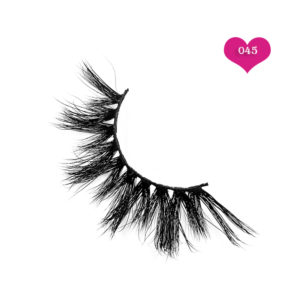
20mm Mink Lashes Wholesale | 045
Step 1. Choose Your Lash Business Model
Before thinking about products, packaging, or marketing, you need to decide what kind of lash business you are building. This sounds obvious, but many people skip this step and end up mixing several business models together without a clear direction.
Some people want to sell lash products online under their own brand. Others want to build a private label lash business and focus on brand identity from day one. Some are more interested in B2B sales, supplying salons, lash artists, or distributors in larger quantities. There are also salon owners who want to add a retail or branded product line alongside their service business.
Each model leads to different decisions. A direct-to-consumer brand usually needs stronger packaging, better visual presentation, and more investment in content and social media. A wholesale-focused business needs consistent quality, practical pricing, and stable reorder support. A salon-based business may care more about a curated product range that fits everyday professional use.
This is why your business model should come first. Once that is clear, most of the next decisions become much easier.
Step 2. Identify Your Target Customers
After defining your business model, the next question is just as important: who are you selling to?
In the lash industry, different customer groups behave very differently, and this affects much more than marketing. It affects your price point, product mix, packaging style, and even how many SKUs you should launch with.
If your target customers are lash artists and salons, they are likely to care most about consistency, curl retention, easy pickup, and reliable reorder quality. If you are selling to online retail customers, branding and presentation may matter much more. If you are targeting distributors or wholesalers, the conversation shifts toward MOQ, lead time, margins, and supply stability.
This is where many beginners get off track. They try to sell to everyone at once, which usually leads to unclear branding and a weak product strategy. In most cases, it is smarter to start with one primary audience and build your offer around that group first. You can always expand later, but clarity in the beginning saves time, money, and confusion.
Step 3. Decide What Lash Products to Sell
One of the most common mistakes in a new lash business is trying to launch too many products at once. It often feels safer to offer more, but in reality, too many products usually create inventory pressure, branding confusion, and slower decision-making.
A better approach is to start with a focused product line that covers the most practical needs of your target market. For many new lash businesses, that means beginning with core categories such as classic lashes, volume lashes, premade fans, or easy fan lashes. These products are often enough to build a strong starting range without making the business too complicated.
Once the core line is clear, you can gradually add supporting products like adhesive, tweezers, lash brushes, eye pads, tape, cleansers, or aftercare items. Expanding step by step is not just easier to manage, it is usually the more profitable approach as well. You learn what your market actually wants before tying up too much cash in slow-moving inventory.
When planning your product line, think less about how many items you can launch and more about whether the range makes sense as a business. A smaller range that sells consistently is far more valuable than a large range that looks impressive but moves slowly.
Step 4. Build Your Pricing and Profit Plan
A lash business plan should never stop at product ideas. It also needs to answer a harder question: can this business actually make money after all costs are included?
Many beginners look only at product cost and selling price, but that is only part of the picture. In reality, your margins are shaped by a much wider cost structure. Packaging, logo printing, shipping, photography, website setup, content creation, advertising, influencer seeding, and platform fees all affect your profit much more than people expect in the early stage.
This is why pricing needs to be built with intention. You need to decide whether your brand will sit at the entry level, mid-range, or premium end of the market. You also need to know whether you are selling mainly retail, wholesale, or both, because each channel demands a different margin structure.
In most cases, pricing that looks competitive on paper can still become weak if the supplier cost is unstable or the packaging and shipping costs were underestimated. That is one reason supplier choice matters so much. It does not only affect production. It affects the long-term financial shape of your business.
Step 5. Estimate Your Lash Business Startup Costs
This is the stage where ideas meet reality. A lot of new business owners underestimate how much it takes to launch properly, especially if they want the brand to look polished from the beginning.
Startup costs usually include more than inventory. Samples, custom packaging, logo design, product photography, website setup, marketing materials, paid ads, and initial shipping all add up quickly. If you are building a private label brand, those costs often rise further because packaging and presentation become part of the product experience.
That does not mean you need a huge budget to start. In fact, for many beginners, starting smaller is the smarter move. A focused first launch usually gives you better control over quality, branding, and cash flow. It also gives you room to learn from real customers before expanding too fast.
The goal at this stage is not to build the biggest launch possible. It is to build a launch you can actually support, improve, and scale without putting too much pressure on the business too early.
Step 6. Choose the Right Lash Extension Supplier
Once your business model, target customer, product line, and budget are becoming clear, supplier selection becomes one of the most important decisions you will make. A strong supplier can make the business easier to grow. A weak one can create quality issues, delivery problems, and unnecessary stress from the start.
Price matters, of course, but it should never be the only factor. In the lash industry, consistency is often more valuable than a slightly lower unit cost. If the curl, softness, strip quality, or tray presentation changes from one order to the next, it becomes very difficult to build repeat business and customer trust.
A reliable lash supplier should be able to support you in a more complete way. That includes sample support, clear communication, reasonable MOQ, stable product quality, packaging options, and realistic lead times. If you are planning to build a private label brand, the supplier should also understand branding, labeling, and long-term cooperation, not just production.
It is also worth asking practical questions early. Can they support small test orders before larger production? How do they manage quality control? Can they handle custom packaging? Do they have experience with export orders and ongoing reorder support? These are simple questions, but the answers often tell you a lot about whether the supplier is truly suitable.
In most cases, a dependable supplier is not just a factory. They become part of your operating system.
Step 7. Build Your Branding and Packaging Plan
In beauty, branding is rarely optional. Even when products are similar, the way they are presented can completely change how customers perceive them.
Before designing packaging, you need to think about what kind of brand you want to build. Do you want it to feel minimal and professional, trendy and social-media-driven, soft and feminine, or premium and salon-focused? That decision should shape the packaging, color direction, logo, product naming, and overall visual tone.
Packaging matters because it influences trust almost immediately. In online selling especially, customers often judge the brand before they judge the product itself. If the packaging feels unclear, inconsistent, or low quality, it becomes harder to position the business well even if the lashes themselves are good.
For new brands, it is usually better to build packaging that matches the target customer rather than simply copying what other sellers are doing. Generic packaging may help reduce cost at the beginning, but private label packaging is usually the better long-term choice if you want the business to feel like a real brand rather than a temporary store.
Step 8. Plan How You Will Sell Your Lash Products
A lot of new business owners put most of their energy into product selection and not enough into the question of how those products will actually reach buyers. But the sales plan is just as important as the product plan.
Some brands focus on Shopify or independent websites, where they can fully control branding and customer experience. Others rely heavily on Instagram, TikTok, or influencer-driven content to create demand. Businesses working in B2B may take a very different route, building salon partnerships, offering sample kits, or reaching out directly to distributors and beauty supply buyers.
There is no single correct sales channel, but there does need to be a clear one. Trying to do everything at once usually spreads a new business too thin. In the beginning, it is often more effective to choose one or two channels that fit your target customer and execute them well.
If your products are strong but your sales path is vague, growth will be slow. A business plan should make that path visible.
Step 9. Plan Inventory and Reordering
Inventory planning is not the most exciting part of a lash business, but it can have a major effect on cash flow and customer satisfaction. This is especially true once orders start coming in and the business moves beyond the testing stage.
Many beginners either overstock too early or reorder too late. Both are risky. Too much stock ties up cash in products that may not move. Reordering too late creates supply gaps, which can be especially damaging if you are selling to salons, artists, or repeat buyers who expect consistency.
In most cases, it is better to start with a manageable range, watch which styles sell fastest, and build your reorder strategy around real demand instead of assumptions. That usually means paying attention to the most popular curls, lengths, thicknesses, and tray types rather than trying to keep every possible variation available.
A good supplier should help here as well. Reordering is not just about placing another order. It is about timing, stability, and making sure the products remain consistent as your business grows.
Step 10. Common Mistakes When Starting a Lash Business
The lash market has opportunity, but it also punishes weak planning. Most early mistakes are not dramatic on their own. The problem is that several small mistakes together can create a business that feels unstable very quickly.
One common mistake is launching too many products too early. Another is choosing a supplier based only on low price without looking closely at long-term consistency. Weak branding is another issue, especially in a beauty category where visual identity matters so much. Some businesses also go in with unrealistic profit expectations or no clear plan for how inventory will be managed after the first launch.
In my view, the biggest mistake is not a bad product choice by itself. It is building without a clear structure. When a business has no clear customer, no focused product line, and no stable sourcing strategy, almost every other decision becomes harder.
That is exactly why a business plan matters. It does not make the work easy, but it makes the work far more coherent.
Simple Lash Extension Business Plan Template
If you are trying to turn your ideas into something more concrete, keep the planning process simple. A useful business plan does not have to be long or formal. It just has to help you make decisions clearly.
A practical starter template should cover your business goal, target customer, business model, product range, pricing strategy, startup budget, supplier plan, branding approach, sales channels, marketing plan, and expected revenue goals. You should also think about how you will handle reordering once the business starts moving.
Even writing short answers under each of these points can help you see where your plan is strong and where it still needs work. For most beginners, clarity matters much more than complexity.
How Heyme Beauty Supports New Lash Brands and Buyers
At this stage, the supplier conversation becomes more practical. Once someone has a clearer idea of what kind of lash business they want to build, the next step is usually finding a factory that can support that plan in a realistic way.
Heyme Beauty works with lash brands, wholesalers, salons, and new buyers who need more than just product supply. In many cases, customers are still shaping their product line, thinking through private label options, comparing packaging ideas, or trying to understand what kind of MOQ makes sense for the stage of business they are in.
That is where factory support can be genuinely useful. At Heyme Beauty, support can include sample evaluation, product recommendation, private label service, packaging discussion, and planning for stable reorder supply. For a new brand, this kind of support often makes the process less risky and much easier to manage.
A good factory should not only produce lashes. It should help make the business behind those lashes more stable.
Conclusion
Starting a lash business is not just about entering a popular market. It is about building a business that can actually operate well over time. That requires clear thinking around your model, your customer, your product line, your pricing, your branding, and your supply chain.
A strong lash extension business plan helps bring those parts together. It gives you a clearer direction, reduces avoidable mistakes, and makes it easier to grow with more confidence. Just as importantly, it helps you choose partners who can support that growth instead of making it harder.
If you are serious about building a lash brand or product business, planning is not something to postpone. It is one of the first advantages you can give yourself.
Need Help Building Your Lash Product Line?
If you are looking for a reliable lash factory for private label, wholesale, or custom packaging support, Heyme Beauty can help. Contact us to discuss lash samples, packaging options, product recommendations, and factory support based on your target market and business goals.
FAQ
How much does it cost to start a lash extension business?
The cost depends on your business model, product range, packaging plan, website, and marketing budget. A smaller launch with a focused product line is usually easier to manage than trying to launch too many products at once.
What products should I sell first in a lash business?
For many beginners, it makes sense to start with core products such as classic lashes, volume lashes, and premade fans, then expand into accessories once you understand customer demand more clearly.
How do I choose a lash extension supplier?
Look beyond price. Product consistency, MOQ, communication, sample support, private label capability, packaging options, and lead time are all important when choosing a supplier you can grow with.
Is private label a good choice for a new lash brand?
Yes, in many cases it is. Private label helps create stronger brand identity and better long-term recognition, but it should fit your budget and market positioning.
How many lash styles should I launch at the beginning?
Usually fewer than you think. A focused product line is easier to manage, easier to market, and less risky while you are still testing which products your customers actually want.