

You can become a lash tech by following a clear path. The Lash Technician Career starts with enrolling in accredited training, gathering your lash kit, and getting insurance. Starting in the lash industry opens doors to a fast-growing field.
- The industry grows at a rate of 6.2% each year.
- Entry-level professionals earn $25,000 to $35,000, and experienced lash techs make $50,000 or more.
- Consumer spending on personal care services reaches $184 billion annually.
- Enroll in a qualified lash course.
- Build your kit and tools.
- Secure insurance.
- Attract clients through social media and model sets.
Key Takeaways
- Enroll in an accredited lash course to gain essential skills and certification.
- Build a professional lash kit with quality tools and supplies to ensure safe and effective services.
- Create a clean and organized workspace to enhance client trust and comfort.
- Utilize social media and word-of-mouth marketing to attract and retain clients.
- Commit to ongoing education to stay updated on trends and improve your services.
Lash Technician Career Overview
What Does a Lash Technician Do?
You step into the lash technician career by learning a variety of tasks that shape your daily routine. You prepare for each appointment by reviewing your guest’s lash plan and checking booking information. You sanitize your tools and prep lash extensions to ensure a safe environment.
You interact with clients, build rapport, and conduct consultations to customize lash and brow looks. You educate guests on aftercare and provide a personal lash plan for maintenance. The table below shows the main responsibilities and services you handle as a lash technician:
| Responsibility/Service | Description |
|---|---|
| Appointment Preparation | Reviewing guests’ lash plan, checking booking info, prepping extensions, and sanitizing tools. |
| Client Interaction | Building rapport with guests, conducting consultations, and customizing lash and brow looks. |
| Aftercare Education | Educating guests on aftercare and providing a personal lash plan for maintenance. |
You play a key role in the lash extension industry. You help clients achieve their desired look and maintain healthy lashes. You build trust and loyalty by offering personalized experiences and high-quality service.
Key Skills for Success
You need several important skills to succeed in the lash technician career. You conduct thorough client consultations to understand each guest’s preferences. You educate clients on aftercare to ensure their lash extensions last longer. You apply extensions with precision to create the desired look without damaging natural lashes.
- Precision helps you place lashes accurately and prevents harm to natural lashes.
- Creativity allows you to design personalized lash styles for each client.
- Client consultation skills enable you to tailor services and improve the guest experience.
- Hygiene and safety practices build trust and ensure client well-being.
- Ongoing education keeps you updated with new trends and techniques in the lash industry.
You deliver high-quality service as a lash technician. You foster loyalty and repeat visits by offering personalized experiences. You reassure clients by following hygiene and safety standards. You stay competitive in the industry by learning new skills and techniques.
Training and Certification for Lash Technicians
How to Get Certified as a Lash Tech?

You start your journey by understanding the importance of accredited lash training. Accreditation ensures your training meets legal and professional standards. You avoid issues with unlicensed practice and open doors to more career opportunities. To become a lash tech, you follow these steps:
- Check the licensing requirements in your state. Each location has different rules.
- Complete an accredited lash extension course. You must meet the required training hours to receive certification.
- Pass the licensing exam from your state’s Board of Cosmetology or Esthetics.
You gain skills in safe lash application, hygiene, lash styling, and client consultation. You become a certified technician when you finish your training and pass your exam. You build your credibility and trust with clients. Heyme Beauty supports your journey by providing high-quality products and solutions for lash businesses.
Tip: Always choose a training program that is accredited. This helps you meet legal standards and boosts your professional reputation.
Types of Lash Courses
You find many options when you look for lash extension training. Each course covers different skills and outcomes. The table below shows what you can expect from a typical lash extension course:
| Course Component | Description |
|---|---|
| Lash Safety and Sanitation | Essential practices to ensure client safety and hygiene during lash application. |
| Types of Lashes and Curls | Overview of various lash materials and styles available for application. |
| Lash Mapping and Styling | Techniques for designing lash looks tailored to individual clients. |
| Isolation and Placement Techniques | Methods for correctly applying lashes to achieve desired results. |
| Business Management | Guidance on running a successful lash business. |
| Duration of Training | Typically, one or two days, with options for online courses available. |
| Certification | Completion of the course results in a certificate, enhancing professional credibility. |
You select a course based on your goals. Some courses focus on classic lash techniques. Others teach advanced volume or hybrid styles. You may choose online or in-person training. You receive certification after you complete your course, which helps you become a certified lash tech.
How Long Does It Take to Become a Lash Tech?
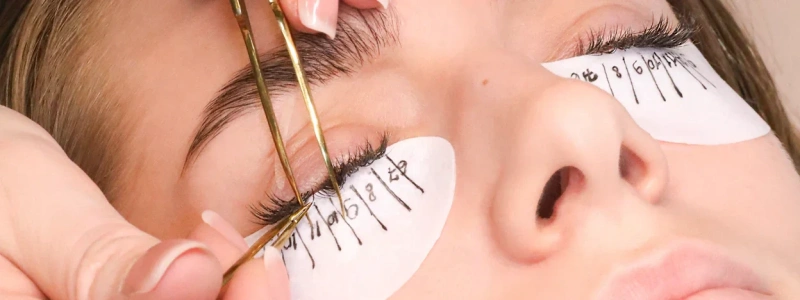
You want to know how much time you need for lash tech certification. The answer depends on the program you choose. Short certification courses last two to three days. Full-time programs take 18 to 20 weeks. Part-time, evening, and weekend programs range from eight months to 18 months.
You see the differences in the chart below:
You decide which program fits your schedule. You may finish your training quickly with a short course. You may prefer a longer program for more in-depth learning. Lash extension training gives you the flexibility to become a certified technician at your own pace.
How Old Do You Have to be to be a Lash Tech?

You must meet age requirements to become a licensed lash technician. Most states require you to be at least 16 or 18 years old. You check your local regulations before you enroll in a lash extension course. Some states may allow younger applicants with parental consent.
Connecticut, for example, grants licenses through reciprocity. You need 80 hours from an approved school if you are a new applicant. Out-of-state transfers may have requirements waived if they hold an active license. You pay an application fee and check if a state exam is required.
You follow these steps to become a certified lash tech:
- Know the licensing and certification requirements in your state or province.
- Complete an education program and gain experience hours.
- Pass a written or practical exam if required.
You build your skills and confidence through training. You become a licensed and certified technician ready to start your career. Heyme Beauty empowers you with premium lash products and solutions as you grow your business.
Licensed Eyelash Technician: Legal Steps
State Licensing Requirements
You must follow specific steps to become a licensed eyelash technician. Each state sets its own licensing requirements, so you need to check the rules where you plan to work. Most states require you to complete an accredited course and pass a licensing exam.
Some states ask you to become a licensed esthetician, cosmetologist, or even a barber before you can apply for a lash technician license. Here is a simple process you can follow:
- Review your state’s licensing requirements for lash technicians.
- Complete an accredited training program and earn your certificate.
- Take and pass the licensing exam from your state’s Board of Cosmetology or Esthetics.
Some states have unique rules. For example, Connecticut and Minnesota require a specific lash technician license. Texas offers a dedicated eyelash extension specialist license. Other states, like Alabama and Idaho, do not require a license for lash extensions.
The table below shows how licensing varies by state:
| State | Licensing Requirement |
|---|---|
| Alabama | No license required. |
| Alaska | Hairdresser or esthetician license required. |
| Arizona | Cosmetology or aesthetician license required. |
| California | Cosmetology or esthetician license required. |
| Connecticut | Eyelash technician license required. |
| Texas | Eyelash extension specialist license required. |
| Minnesota | Eyelash technician license required. |
You need to stay updated on your state’s laws. Always check for changes in licensing requirements before you start your journey as a licensed eyelash technician.
Why Licensing and Insurance Matter?
You protect yourself and your clients when you become a licensed eyelash technician. Licensing proves you have the right training and skills. It shows you meet the requirements set by your state. Clients trust a licensed professional more than someone without credentials.
Insurance is just as important. It shields you from risks that come with advanced lash procedures. If a client has a reaction or files a lawsuit, insurance can cover medical bills and legal fees. This protection helps you avoid financial loss and keeps your reputation strong.
Tip: Always keep your license and insurance up to date. This helps you stay compliant and gives your clients peace of mind.
You build a successful career as a licensed lash technician by following the right steps. You meet all requirements, stay certified, and protect your business with proper licensing and insurance.
Build Your Lash Kit with Heyme Beauty
Essential Tools and Supplies
You need the right tools and supplies to start your journey as a lash technician. Your kit should include lash extensions, tweezers, adhesive, remover, lash brushes, and eye pads. You also need a lash tile, glue rings, and a magnifying lamp. These items help you create safe and beautiful lash sets for your clients.
Heyme Beauty offers premium lash products and kits for professionals. You can choose from mink lashes, vegan lashes, magnetic lashes, and DIY lash clusters. The brand provides high-grade PBT fiber extensions that hold curls and last longer.
You get cruelty-free and vegan-friendly options that meet international quality standards. Heyme Beauty also supplies custom packaging, so you can build your brand identity.
| Tool/Supply | Purpose |
|---|---|
| Lash Extensions | Create different styles and lengths |
| Tweezers | Isolate and apply lashes |
| Adhesive | Secure extensions to natural lashes |
| Remover | Safely remove lash extensions |
| Lash Brushes | Maintain lash cleanliness |
| Eye Pads | Protect lower lashes during application |
| Lash Tile | Organize lashes for easy access |
| Glue Rings | Hold adhesive for quick use |
| Magnifying Lamp | Improve visibility and precision |
Tip: Start with a basic kit and upgrade as your skills grow. Heyme Beauty supports your lash extension business with reliable products and fast delivery.
Practicing and Portfolio Building
You build your skills through practice and create a portfolio to showcase your work. Begin by offering free lash services to models. Take clear photos from different angles and avoid filters. Record short video clips or time-lapse videos to highlight your technique.
Post your best work on social media platforms like Instagram. Engage with followers and network with other professionals for referrals and collaborations.
You attract new clients by providing promotions or discounts. Keep your portfolio updated with your latest and best work. Certification and ongoing education help you improve your skills and credibility. You show your dedication to quality and professionalism by maintaining a strong portfolio.
Steps to build your professional lash portfolio:
- Offer free lash services to models.
- Take high-quality photos from multiple angles.
- Record short videos or time-lapse clips.
- Post your work on Instagram and other platforms.
- Network with industry professionals.
- Provide promotions or discounts to attract clients.
- Update your portfolio regularly.
- Continue your education and get certified.
You lay the foundation for a successful lash extension business by practicing and building a portfolio. Heyme Beauty empowers you with premium products and support as you grow your skills and reputation.
Set Up Your Lash Business
Business Structure and Name
You start your lash journey by choosing a structure for your business. You can select a sole proprietorship if you plan to work alone. This option gives you a simple setup and control. You may prefer a partnership if you want to share profits and responsibilities with another owner.
Many lash professionals choose an LLC because it offers limited liability protection and flexible management. You must check if your chosen name is available before registering. Picking a unique name helps you stand out and build your brand. You also need to follow local regulations and secure the proper licenses and permits.
You must become a licensed cosmetologist or esthetician in most states before you open your business.
- LLC or sole proprietorship: Common choices for small beauty enterprises.
- Partnership: Good for two or more owners.
- Name availability: Essential for branding.
Registration and Insurance
You must register your business and obtain the correct licenses. You need an establishment license to operate a lash studio. You must maintain an Injury and Illness Prevention Plan as required by OSHA. If you hire staff, you must secure Workers’ Compensation Insurance.
You also need public liability insurance to protect against customer incidents. Product liability insurance covers issues with products you use. Employers’ liability insurance protects you if employees face work-related injuries. Insurance needs change if you work in a salon or run a mobile business.
You must stay aware of professional liability considerations. In Missouri, you must become a licensed esthetician with 750 hours of training and pass both written and practical exams.
Creating a Professional Workspace
You create a safe and welcoming environment for your clients. You use an adjustable lash bed or treatment table for comfort. You sit in an ergonomic chair to protect your posture. You install adjustable LED lighting for clear visibility. You organize your tools in trays to reduce contamination.
You keep a covered trash bin for proper waste disposal. You ensure good ventilation to protect respiratory health. You disinfect your workspace between clients and keep it clutter-free.
| Aspect | Best Practice Description |
|---|---|
| Workspace Setup | Use an adjustable lash bed or treatment table. |
| Technician Posture | Sit in an ergonomic technician chair. |
| Lighting | Utilize adjustable LED lighting for optimal visibility. |
| Tool Organization | Keep tools in an organized tray to reduce contamination. |
| Waste Disposal | Have a covered trash receptacle for proper waste disposal. |
| Ventilation | Ensure adequate ventilation to protect respiratory health. |
| Hygiene | Disinfect the workspace between clients and keep it clutter-free. |
Tip: You build trust and attract more clients when you maintain a clean, organized, and licensed workspace.
Marketing and Getting Clients as a Lash Tech
How to Get More Clients as a Lash Tech
You grow your lash business by focusing on effective marketing strategies. You encourage word-of-mouth recommendations by asking clients for reviews and offering referral rewards. You build a strong online presence using platforms like Instagram and Facebook.
You post consistently and engage with your audience to boost visibility. You set up a Google Business Profile and ask clients to leave reviews. You combine local SEO with your social media efforts to attract new clients. You utilize user-generated content by encouraging clients to share their results online.
You provide educational content about lash extensions to position yourself as an expert. These steps help with getting your first clients and expanding your reach.
- Ask clients for reviews and referrals.
- Build your online presence on Instagram and Facebook.
- Maintain a consistent posting schedule.
- Set up Google Business Profile and request reviews.
- Use local SEO and social media together.
- Encourage clients to share their results.
- Provide educational content about lash extensions.
Portfolio and Social Media
You showcase your skills and build trust through your portfolio and social media. You create engaging content that highlights your expertise. You share your training and certifications to establish authority. You post relatable and myth-busting content to encourage sharing. You share your origin story to connect with clients.
You use Instagram to display visual work and TikTok for before-and-after videos. Google helps you reach clients actively searching for lash services. You retain existing clients with reminders and seasonal refresh content.
Clients prefer to book people, not just portfolios, so sharing your experiences attracts both clients and aspiring lash techs.
Pricing and Promotions
You adjust your pricing based on demand and season. You offer premium rates during high-demand periods like holidays and weddings. You provide standard rates during slower seasons. The table below shows how you can change your pricing throughout the year:
| Season | Demand Level | Pricing Strategy | Key Events |
|---|---|---|---|
| Spring | High | Premium +15% | Prom, graduations, weddings |
| Summer | Medium-High | Standard +10% | Vacations, beach season |
| Fall | Medium | Standard | Back-to-school, fall weddings |
| Winter | Very High | Premium +20% | Holidays, New Year events |
You offer monthly or quarterly service packages to ensure recurring revenue and provide clients with cost savings and priority booking. You build loyalty by giving exclusive access to promotions and referral rewards. Incentives and discounts help you attract new clients and keep your regulars coming back.
Tip: Adjust your pricing and promotions to match seasonal demand and client preferences.
How Much Can Lash Techs Make?
Income Potential for Lash Technicians
You want to know how much lash techs can make in today’s industry. Entry-level lash technicians usually earn between $25,000 and $35,000 each year. Experienced professionals with three or more years in the industry can earn $44,000 or more.
Top lash technicians reach $50,000 and beyond. Your earnings depend on your employment type and business setup. The table below shows the income range for different roles:
| Employment Type | Annual Income Range | Commission/Split | Pros | Cons |
|---|---|---|---|---|
| Salon Employee | $25,000–$50,000 | 40/60 to 50/50 | Steady clients, no overhead | Lower income ceiling, split profits |
| Independent/Suite Rental | $40,000–$80,000+ | Keep 100% minus rent | Higher earning potential, flexible schedule | Must build own clientele, overhead expenses |
| Mobile Lash Tech | $30,000–$60,000 | Keep 100% | No rent costs, premium pricing | Travel time, equipment transport |
Expanding Services and Upskilling
You can increase your earnings by expanding your services and investing in advanced training. Offering lash extension removal, lash tinting, lash maintenance, lash lifts, beauty treatments, and beauty advice helps you attract more clients.
Upskilling allows you to provide specialized techniques like Russian volumes and hybrid sets. Clients pay more for these advanced services. Certification from reputable brands builds trust and sets you apart in the industry.
Investing in advanced training gives you access to higher-paying clients and helps you grow your business.
Networking and Professional Groups
You boost your career by joining professional groups and networking with other lash technicians. You attend industry events and workshops to learn new skills. You connect with experienced professionals who share advice and referrals. Networking helps you stay updated on trends and best practices.
You build relationships that support your growth and success in the industry.
You grow your client base and reputation by staying active in professional communities.
Continuing Education for Lash Technicians
Advanced Courses and Trends
You need to keep learning to stay successful as a lash technician. The lash industry changes quickly. New styles and techniques appear every year. Advanced courses help you master the latest trends and improve your skills. Many lash techs choose to take extra classes after their first certification.
These courses teach you more than just application. You learn about client care, business practices, and marketing.
Here are some popular advanced courses and trends in the lash industry:
- Lash marketing classes teach you how to attract and keep clients.
- Volume techniques, such as Russian Volume and Mega Volume, help you create fuller lash looks.
- Lash lifts and hybrid styles are in high demand.
- Ombre lashes offer a unique look by blending dark and light shades.
- Hybrid lashes mix classic and volume styles for a natural yet glamorous effect.
Certification from advanced courses shows that you meet professional standards. Clients trust you more when you have up-to-date training. You also gain confidence to try new styles and offer more services.
Staying Competitive
You must keep learning if you want to stand out in the beauty industry. The lash world never stands still. New products and methods appear all the time. By taking advanced courses, you stay ahead of trends and offer services that attract more clients.
Ongoing education lets you learn new techniques, such as volume or hybrid lashes. You can also add lash lifting or tinting to your menu.
If you stop learning, your skills may become outdated. Clients want the best results and look for technicians who know the latest trends. You build a strong reputation by practicing and refining your skills. Continuing education helps you stay competitive and provide high-quality service every day.
Conclusion
Becoming a successful lash technician starts with proper training, certification, and building your kit. Once licensed, focus on creating a professional workspace and marketing your services. Ongoing education enhances your skills, boosts confidence, and opens doors to new opportunities.
The lash industry continues to grow, offering long-term career prospects for certified lash technicians. Stay committed to learning, expanding your services, and delivering quality. Your dedication can turn your passion into a thriving, rewarding career as a lash technician.
FAQ
What qualifications do you need to become a lash tech?
You need to complete an accredited lash course and pass your state’s licensing exam. Most states require you to be at least 16 or 18 years old. Check your local regulations for specific requirements.
How much does it cost to start as a lash technician?
You spend between $500 and $2,000 for training, certification, and your starter kit. Costs vary based on course type and quality of supplies. Heyme Beauty offers affordable, premium lash kits for beginners.
Can you work from home as a lash tech?
You can set up a home studio if your state allows it. You must follow local health and safety rules. Create a clean, professional workspace to attract clients and build trust.
What are the most popular lash styles?
Clients often request classic, volume, hybrid, and lash lift styles. You can offer mink, vegan, or magnetic lashes. Heyme Beauty provides a wide range of lash products to suit every style.