

Private label sounds simple when it is reduced to packaging.
In reality, most problems in private label eyelash extension sourcing do not begin with the box. They begin much earlier, at the point where a brand assumes that any factory offering logo printing can support long-term product growth. That is rarely true. A private label relationship works only when the manufacturer can hold product consistency, understand the brand’s positioning, and support repeat production without turning every order into a new experiment.
From the factory side, I can say this directly: brands do not usually struggle because they cannot find lashes. They struggle because they cannot find stable supply. The first samples may look acceptable. The first bulk order may also go smoothly. The real difference appears when the brand starts repeating orders, refining packaging, adjusting styles, or trying to keep customer feedback consistent across batches.
That is the point where a private label manufacturer matters.
Private Label Is Not Just Logo Printing
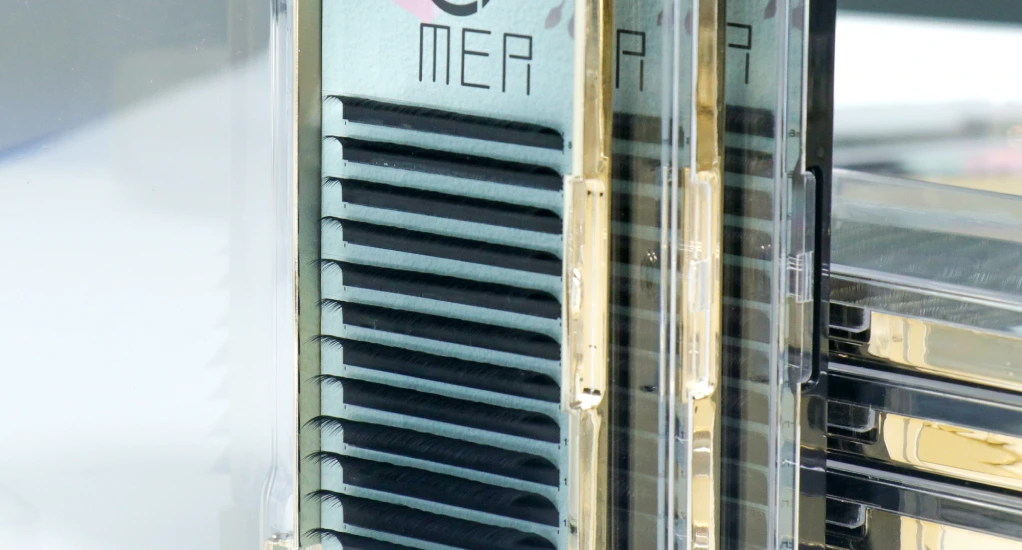
A surprising number of buyers still treat private label as a packaging service. They focus on whether the factory can print a logo on the lash tray, outer box, or insert card. That is part of the process, but it is only the visible part.
A real private label program includes product consistency, packaging coordination, sample confirmation, order repeatability, communication clarity, and the ability to keep the brand’s chosen style stable over time. If a factory can print your logo but cannot keep curl, softness, taper, band finish, tray arrangement, or presentation consistent, then the private label support is incomplete.
That matters even more in eyelash extensions because the product experience is sensitive to small differences. What looks like a minor variation at the production level can become a visible problem once it reaches salons, lash artists, distributors, or retail customers.
The First Thing to Look For Is Product Consistency
Brand growth depends on repeat trust. In the eyelash extension business, that trust is tied closely to consistency.
If the first order feels soft, easy to pick up, and visually clean, the second order has to feel the same. If one batch has a different curl hold, a different strip behavior, or a slightly different finish, the customer notices faster than many new brands expect. Lash professionals are usually very sensitive to these differences because they work with the product by hand, not just by appearance.
This is why I always place consistency ahead of price in serious private label conversations. A factory that can hold stable quality from sample to bulk production is more valuable than one that offers a slightly lower quote but treats each order as a separate run without strong process control.
When evaluating a private label eyelash extension manufacturer, a buyer should look for signs that the factory understands repeatability, not only customization.
Packaging Matters, but It Should Not Lead the Whole Decision
Packaging is important because private label is still a brand business. The box, tray, insert, and printed presentation help define how the product enters the market. For many buyers, packaging is also the first thing they can control visibly.
Still, it should not become the center of the decision too early.
A polished package cannot compensate for unstable product quality. In practice, the best private label programs treat packaging as part of a larger system. The lash style, tray layout, logo placement, internal presentation, and shipping format should all support each other. When the product side and the packaging side are disconnected, problems follow quickly. The brand may look finished from the outside while the core product remains difficult to standardize.
That is why the better factory relationships usually begin with product confirmation first, then move into packaging refinement once the technical and visual base is stable.
Sampling Is More Important Than Most New Brands Think
Sampling is not only about checking whether the lashes look attractive.
A useful sample process should confirm whether the manufacturer understands the requested style, whether communication is precise, and whether the product can be repeated. This is where many brands get an early warning sign. A factory may respond quickly, use good language, and promise broad customization, but the sample may still come back vague, overgeneralized, or not closely matched to the request.
That kind of gap matters.
A strong sample process usually feels specific. The discussion around curl, length mix, thickness, finish, tray format, and packaging detail should become clearer as the project moves forward, not more confusing. If the sample stage already feels unstable, the bulk stage rarely becomes easier.
From a manufacturing point of view, the sample stage is where alignment begins. It is not a side task. It is the first real proof of whether the partnership will work.
MOQ Should Be Practical, Not Just Attractive
Many buyers ask about MOQ early, which makes sense. Every brand wants flexibility, especially in the beginning.
But MOQ should not be judged in isolation. A low MOQ sounds attractive until it creates problems somewhere else. Sometimes it limits how much real customization the factory can support. Sometimes it leads to unstable packaging execution or mixed production handling that does not hold up well in repeat orders.
A better question is not “What is the lowest MOQ?” It is “What MOQ allows the product and packaging to be done properly?”
That question tends to produce better sourcing decisions. A private label manufacturer should be able to discuss MOQ in a way that reflects the actual structure of production rather than treating it as a sales hook. Serious brands usually benefit more from honest MOQ planning than from promotional numbers that create later frustration.
Communication Is Part of Quality Control
When buyers think about quality control, they usually think about factory inspection. That is important, but communication quality matters almost as much.
A manufacturer that answers clearly, confirms details carefully, and handles revisions without confusion is usually easier to scale with. A manufacturer that replies quickly but vaguely can create more problems than a slower but more precise team. In private label work, a large percentage of mistakes do not come from poor intent. They come from incomplete alignment.
That is why I see communication as part of production quality, not a separate soft skill. If a factory cannot discuss lash details, packaging requirements, sample revisions, or timeline expectations with clarity, the buyer is already carrying more risk than necessary.
What Serious Brands Usually Ask Before Moving Forward
The strongest buyers do not ask only for price and packaging. They usually want to know how the product will hold up over repeated business.
They ask whether the same lash style can be reproduced consistently. They ask how packaging adjustments are managed. They ask what kind of sample process is available, how repeat orders are handled, what lead times look like under normal production conditions, and how changes are confirmed before bulk approval.
Those are the right questions because they reach beyond the first shipment. Private label only becomes meaningful when the supply relationship continues to work after the launch stage.
Case Analysis: A Brand With Strong Packaging but Weak Repeat Stability
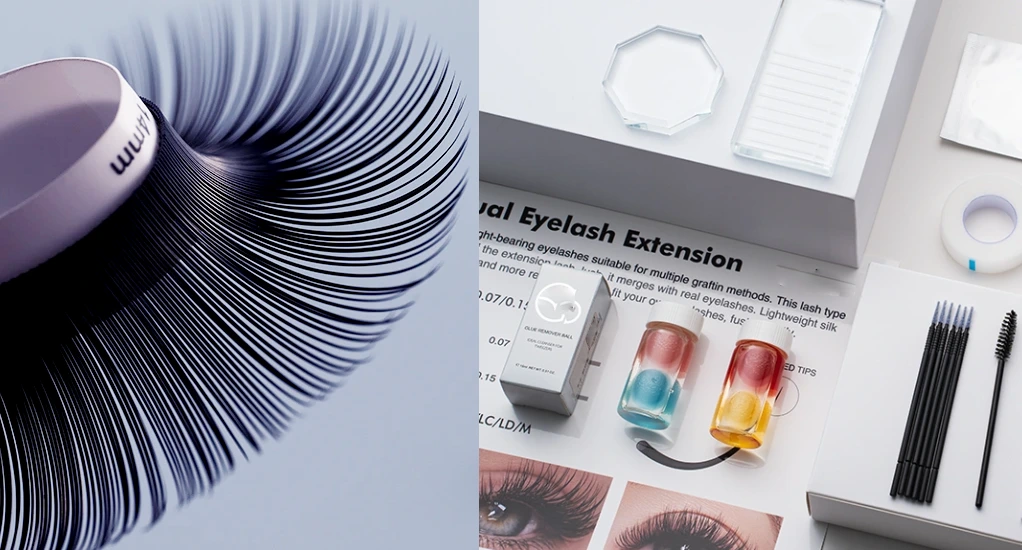
One brand we observed in the market had done many things right on the surface. The packaging looked finished, the logo application was clean, and the first sample gave a strong impression. The product entered the market smoothly and the visual branding was immediately recognizable.
The problem appeared later, not at launch.
As repeat orders continued, the lash feel and handling started to vary slightly between batches. The differences were not dramatic enough to trigger instant rejection, but they were noticeable to experienced users. Some trays felt cleaner and more controlled than others. Some strips were easier to work with than later ones. Over time, the brand began receiving feedback that the product felt less predictable than before.
What went wrong was not the concept of private label. The issue was that the factory relationship had been built around packaging execution first and production consistency second. The brand looked stable before the supply chain actually became stable.
That case is a useful reminder. In eyelash extensions, brand trust depends on product repetition as much as visual identity.
What We Consider Important as a Manufacturer
From our side, private label works best when the brand and the factory treat the relationship as a production partnership, not as a one-time sourcing shortcut.
That means clarifying the product standard early, reviewing packaging in a structured way, keeping sampling specific, and making sure repeat orders can follow the same confirmed direction. It also means understanding that brand growth usually brings more detail, not less. Once a product starts selling, buyers become more precise about what they need. A manufacturer should be ready for that.
At Heyme Beauty, private label support is not limited to putting a logo on a finished item. The more useful work happens in style confirmation, packaging coordination, order repeatability, and communication that stays clear as the project grows.
Conclusion
A private label eyelash extension manufacturer should offer more than decorative customization. The real value is in consistency, communication, packaging coordination, and the ability to support repeat production without losing the details that made the original sample work.
For growing brands, this matters far more than it seems at the beginning. The first order introduces the brand to the market. The following orders decide whether the market keeps trusting it.
That is why the right factory is not simply the one that says yes to private label. It is the one that can keep the product, the packaging, and the production process aligned as the brand moves forward.
FAQ
What does a private label eyelash extension manufacturer do?
A private label eyelash extension manufacturer produces lashes for another brand and supports branded packaging, product specification alignment, and repeat production based on the buyer’s requirements.
Is private label the same as custom eyelash manufacturing?
Not always. Private label often includes branded packaging and selected product customization, but the level of customization can vary. Some projects stay close to standard product lines, while others involve more specific development.
What should brands check before choosing a private label lash manufacturer?
Brands should look at product consistency, sampling process, packaging capability, communication clarity, MOQ structure, and how repeat orders are managed.
Why is sampling so important in private label eyelash extensions?
Because sampling confirms more than appearance. It shows whether the manufacturer understands the requested style, communicates clearly, and can translate requirements into a repeatable product.
Does lower MOQ always mean a better private label offer?
No. A low MOQ can be useful, but it does not automatically mean better support. In some cases, a practical MOQ gives the factory more room to execute the product and packaging correctly.