

In the modern beauty industry, eyelashes have become an essential part of many makeup routines. From everyday wear to glamorous events, the right pair of lashes can instantly enhance eye shape, add volume, and create a more defined look.
When choosing lash products, consumers often come across two popular options: cruelty free lashes and mink lashes. Both types promise soft texture, lightweight comfort, and a natural appearance, which is why they are frequently compared.
However, the difference between these two options goes far beyond appearance. Materials, manufacturing processes, durability, ethical considerations, and environmental impact all play important roles when selecting the best lashes.
At Heyme Beauty, a professional eyelash manufacturer, we have seen how consumer preferences are evolving. Today’s beauty buyers want high-quality lashes that not only look stunning but also align with ethical and cruelty-free beauty values.
This guide explains the key differences between cruelty free lashes and mink lashes, helping you understand:
- What materials they are made from
- How they are produced
- Their performance and durability
- Ethical and sustainability factors
- Which option may be better for different users
By the end of this article, you’ll have a clear understanding of which lash type best fits your beauty goals and values.
What Are Cruelty Free Lashes?
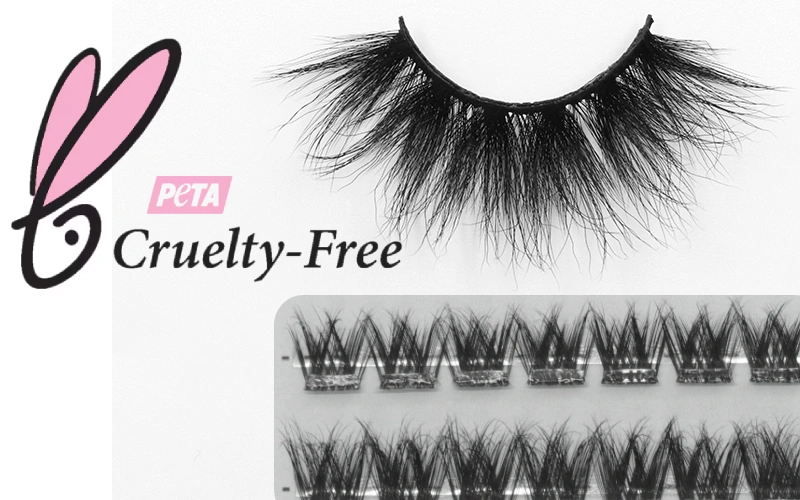
Cruelty-free beauty products are designed and manufactured without harming animals at any stage of production. This philosophy has become increasingly important as more consumers seek ethical alternatives in cosmetics and personal care.
Meaning of Cruelty-Free in the Lash Industry
In the context of eyelashes, cruelty free means:
- No animal-derived materials are used
- No animals are harmed during production
- The product is not tested on animals
Instead of animal fur, cruelty free lashes are created using high-quality synthetic fibers or plant-based materials designed to mimic natural lashes.
Common Materials Used in Cruelty Free Lashes
Modern lash factories like Heyme Beauty use advanced fiber technologies to produce lashes that are soft, lightweight, and natural-looking. Common materials include:
- Synthetic silk fibers
- High-grade PBT (polybutylene terephthalate) fibers
- Plant-based fibers in newer eco-friendly designs
These materials are carefully engineered to replicate the softness, taper, and flexibility of natural lashes.
Types of Cruelty Free Lashes
Cruelty free materials are widely used across different lash products:
- Strip lashes for easy application
- Lash clusters for customizable volume
- Individual lash extensions used by professional lash artists
Why Cruelty Free Lashes Are Popular
Cruelty free lashes have gained popularity because they offer several benefits:
- Ethical production methods
- Consistent shape and curl
- Greater durability
- Wide style variety
At Heyme Beauty, we focus on producing cruelty free lashes that deliver the same luxurious appearance traditionally associated with animal-fur lashes while supporting the growing ethical beauty movement.
What Are Mink Lashes?
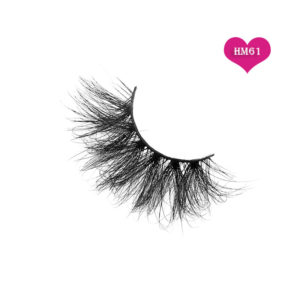
Mink lashes are made from natural mink fur, typically collected from animals raised on mink farms. These lashes have historically been marketed as premium products due to their soft texture and lightweight feel.
How Mink Lashes Are Made
Traditionally, mink lashes are produced using fur from the Siberian or Chinese mink. The fur may be obtained through:
- Brushing mink fur during shedding season
- Collecting fur from farmed mink
Once the fur is gathered, it is cleaned, sorted, and shaped into lash strips or clusters.
Why Mink Lashes Became Popular
For many years, mink lashes were considered a luxury beauty product because they offer:
- Ultra-soft fibers
- Natural tapering
- Lightweight comfort
- A fluffy, natural appearance
Because natural fur has slight variations in thickness and curl, mink lashes often create a more irregular, natural-looking lash line.
Use in High-End Lash Products
Mink lashes have been widely used in:
- Luxury strip lashes
- Premium lash extensions
- Professional salon services
However, in recent years, concerns around animal welfare and sustainability have caused many brands and manufacturers to shift toward cruelty free alternatives.
Cruelty Free Lashes vs Mink Lashes: Key Differences
Below is a comparison of the main differences between the two types of lashes.
| Feature | Cruelty Free Lashes | Mink Lashes |
|---|---|---|
| Material | Synthetic or plant-based fibers | Natural mink fur |
| Animal Welfare | No animals harmed | May involve animal farming |
| Consistency | Uniform curl and thickness | Natural variations |
| Durability | Often more durable | More delicate |
| Ethical Appeal | Vegan and cruelty free | Ethical concerns for some users |
Material Differences
Cruelty free lashes rely on advanced synthetic fibers, while mink lashes use real animal fur. Modern fiber technology allows synthetic lashes to closely replicate the softness of natural hair.
Consistency and Styling
Because synthetic lashes are machine-produced, they offer consistent curl, thickness, and shape, making them easier for manufacturers and lash artists to control.
Mink lashes may vary slightly from pair to pair because natural fur fibers are not identical.
Durability
Cruelty free lashes generally hold their curl longer and resist humidity better, while mink lashes may lose shape more easily over time.
Appearance and Natural Look
One reason mink lashes became popular is their soft, feathery appearance. However, advancements in synthetic lash technology have significantly closed the gap between the two options.
Softness
High-quality cruelty free lashes can now achieve a similar softness to mink lashes thanks to improved fiber processing techniques.
Curl Retention
Synthetic lashes typically maintain their curl longer, especially in humid environments.
Volume Options
Cruelty free lashes offer a wider range of styles, including:
- Natural everyday lashes
- Wispy designs
- Dramatic volume lashes
- Hybrid lash styles
Variety of Styles
Manufacturers like Heyme Beauty can design thousands of lash styles using synthetic fibers, giving brands greater flexibility in creating unique collections.
Because of these innovations, many consumers can no longer visually distinguish between high-quality synthetic lashes and mink lashes.
Comfort and Wearability
Comfort is one of the most important factors when choosing lashes, especially for long wear.
Lightweight Construction
Both cruelty free and mink lashes are designed to be lightweight. However, modern synthetic fibers are engineered to achieve similar weight while maintaining durability.
Flexible Lash Bands
Comfort also depends on the lash band material. A soft cotton or thin plastic band allows the lashes to adapt to the natural eye shape.
Long Wear Comfort
High-quality cruelty free lashes are often preferred for long wear because they:
- Maintain structure throughout the day
- Resist flattening or losing curl
Sensitive Eyes
Some users with sensitive eyes may prefer cruelty free lashes because they avoid potential allergens associated with animal fur.
Ethical and Environmental Considerations
The beauty industry is experiencing a major shift toward ethical and sustainable products.
Rise of the Ethical Beauty Movement
Consumers today are increasingly aware of:
- Animal welfare issues
- Environmental impact of beauty products
- Ethical sourcing practices
This awareness has driven strong demand for cruelty free cosmetics.
Animal Welfare Concerns
Because mink lashes involve animal fur, some users feel uncomfortable supporting products linked to animal farming.
Cruelty free lashes eliminate this concern entirely.
Sustainability Trends
Many lash manufacturers are now exploring eco-friendly materials and packaging to reduce environmental impact.
At Heyme Beauty, we prioritize cruelty free production methods to support brands that want to align with modern ethical beauty standards.
Which Option Is Better for Different Users?
Both lash types have their audience, but different users may prefer different features.
Cruelty Free Lashes May Be Better For
- Vegan consumers
- Ethical beauty buyers
- Users who prefer consistent lash styles
- Brands focused on cruelty free certification
Mink Lashes May Appeal To
- Consumers who prefer traditional luxury products
- Users seeking extremely soft natural fibers
- Those familiar with classic mink lash styles
However, as synthetic technology continues improving, more users are switching to cruelty free options.
Are Cruelty Free Lashes the Future of the Lash Industry?
Industry trends suggest that cruelty free lashes are becoming the dominant choice in modern beauty markets.
Advancements in Synthetic Fibers
New synthetic materials can replicate:
- The softness of natural fur
- Tapered lash ends
- Lightweight structure
This means cruelty free lashes can achieve the same visual results without using animal products.
Growing Consumer Demand
Beauty buyers are increasingly looking for products that are:
- Vegan
- Cruelty free
- Ethically sourced
As a result, many global beauty brands are transitioning away from mink lashes.
Innovation in Plant-Based Materials
Some manufacturers are also developing plant-based lash fibers, creating an even more sustainable future for the lash industry.
At Heyme Beauty, we believe cruelty free innovation will continue shaping the next generation of eyelash products.
FAQ
Are cruelty free lashes the same as vegan lashes?
Not always. Cruelty-free lashes mean no animals are harmed or tested during production. Vegan lashes go a step further by containing no animal-derived materials at all, usually using synthetic or plant-based fibers.
Do cruelty free lashes look as natural as mink lashes?
Yes. Modern synthetic fiber technology allows cruelty free lashes to closely mimic the softness, taper, and natural appearance of mink lashes, making it difficult for most users to visually tell the difference.
Are cruelty free lashes more durable than mink lashes?
In many cases, yes. Cruelty free lashes made from high-quality synthetic fibers often maintain their curl and shape longer than mink lashes, especially in humid conditions or during extended wear.
Why are many beauty brands switching to cruelty free lashes?
Many brands are moving toward cruelty free lashes due to growing consumer demand for ethical beauty products, concerns about animal welfare, and advances in synthetic lash technology that replicate the look of mink fur.
Can cruelty free lashes be reused?
Yes. High-quality cruelty free lashes can typically be reused multiple times when properly cleaned and stored. Durability depends on the lash material, band quality, and how carefully the lashes are handled after use.
Conclusion
Cruelty free lashes and mink lashes both offer beautiful lash styles, but they differ significantly in materials, production methods, and ethical considerations.
Key takeaways include:
- Cruelty free lashes are made from synthetic or plant-based fibers and involve no harm to animals.
- Mink lashes are produced from natural mink fur and may involve animal farming.
- Modern synthetic lashes can now closely replicate the softness and appearance of mink lashes.
- Cruelty free options offer consistent quality, durability, and ethical appeal.
As the beauty industry evolves, many brands and consumers are choosing cruelty free lashes because they combine luxury appearance with responsible production.
At Heyme Beauty, we are committed to producing high-quality cruelty free lashes that help beauty brands deliver stunning results while supporting ethical beauty values.