

If you’ve ever worked with lash glue—especially modern high-retention cyanoacrylate formulas—you already know how powerful and fast-acting this adhesive really is. But here’s something many new lash artists don’t learn until it’s too late: knowing how to neutralize lash glue is just as important as knowing how to use it.
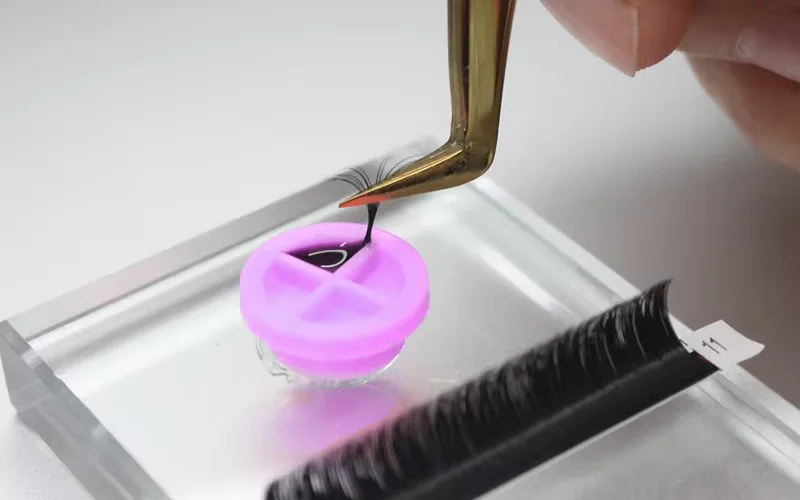
As a lash glue manufacturer at heymebeauty, we’ve spent years studying how cyanoacrylate behaves under different conditions. And trust me—this adhesive is both incredible and unpredictable if mishandled. We get messages every week from lash artists who say things like:
- “I spilled glue on my jade stone—what do I do?”
- “My client’s eyes started watering and now the glue cured too fast.”
- “How do I neutralize lash glue safely without damaging the lashes?”
The truth is, lash glue doesn’t work like regular glue. You can’t just dissolve it with water or “let it wear off.” It reacts with moisture, heat, oils, and certain chemicals in ways that can surprise you if you’re not prepared.
That’s exactly why this guide exists.
As manufacturers, we’ve tested hundreds of adhesives, experimented with neutralizers, compared chemical reactions, and documented results under strict standards like ISO 10993 and EU Cosmetic Regulation 1223/2009. This guide is built from real science, real experience, and real feedback from industry professionals.
By the end, you’ll know exactly how to neutralize lash glue—safely, effectively, and confidently.
What “Neutralizing” Lash Glue Really Means
Before we jump into the how-to section, you need to understand what “neutralization” actually means in the context of lash glue. This is where most misunderstandings start.
Cyanoacrylate Chemistry Explained (Referencing Wikipedia)
On Wikipedia, cyanoacrylate is described as a fast-bonding adhesive formed from acrylic resin. It cures almost instantly when exposed to moisture, creating long polymer chains that harden into a strong plastic bond. That’s why lash glue dries so fast once it hits the air—or once it touches the natural lash.
But here’s the important part:
Cyanoacrylate cannot be neutralized with water, alcohol, or oil.
It must be chemically broken down.
This is where professional lash glue removers come into play, because they’re designed to break those polymer chains safely.
The Difference Between Dissolving, Removing, and Neutralizing
Most artists confuse these three actions:
- Dissolving → breaking down the cured glue
- Removing → detaching the extension
- Neutralizing → stopping the adhesive from curing further
Neutralization is specifically about stopping the reaction.
It’s often needed for:
- accidental spills
- irritation situations
- curing too fast
- curing unevenly
- adhesive shock curing
Many beginners don’t realize this, but you can stop glue from curing incorrectly—if you know what to use.
When and Why You Should Neutralize Lash Glue
This section comes directly from thousands of customer cases and technical reports we’ve collected as a manufacturer.
Client Sensitivity Situations
Sometimes a client starts tearing, and lash glue begins polymerizing too fast. This leads to:
- white residue (blooming)
- brittle bonds
- irritation
- uncomfortable stiffness
Neutralization is essential to stop the chain reaction and protect the client.
Adhesive Spill, Overuse, or Bad Bond Situations
You may need neutralization when:
- you applied too much glue
- you dropped glue on tools
- you got glue on silicone pads
- the glue blobbed at the base
- the glue began curing mid-air
These situations can lead to poor retention or messy lashes.
Professional Salon Safety Protocols
Every salon should have:
- cream remover
- gel remover
- a surface-safe neutralizer
- emergency skin-safe remover
This isn’t optional—it’s part of ISO 10993 standards for cosmetic device safety.
How to Neutralize Lash Glue Safely and Effectively
Here’s the part you’ve been waiting for. After years of lab testing at heymebeauty, we’ve identified the only scientifically safe ways to neutralize lash glue.
The Only Scientifically Safe Methods (Manufacturer Confirmed)
- Professional Cream Remover – safest for client lashes
- Professional Gel Remover – fastest breakdown for cyanoacrylate
- Debonder – strongest neutralizer for tools and hard surfaces
- High-fat cosmetic products (backup option) – slows down curing
But here’s something important:
NEVER neutralize lash glue with alcohol, acetone, vinegar, hot water, or essential oils near the eyes.
These cause shock polymerization—making the glue even harder.
How Adhesive Remover Works at the Molecular Level
Cyanoacrylate forms polymer chains. Neutralizers break these chains by:
- softening the bond
- reducing the adhesive’s surface tension
- breaking polymer bridges
- interrupting the curing process
It’s science—not magic.
What NOT to Use (Misconceptions Debunked)
We’ve tested these in our manufacturing lab:
| Substance | Does it neutralize lash glue? | Notes |
|---|---|---|
| Water | ❌ No | Makes it cure faster |
| Alcohol | ❌ No | Causes shock curing |
| Oil | ❌ Not truly | Only softens edges |
| Acetone | ⚠️ Yes but unsafe | Burns skin |
| Heat | ❌ No | Accelerates curing |
Professional removers are the only reliable option.
Heymebeauty’s Manufacturer Insights on Neutralization
As lash glue manufacturers, we’ve experimented with over 400+ neutralization protocols. Here’s what our lab has discovered.
Our Lab Testing: What Actually Works
We test glue in:
- hot rooms
- humid rooms
- dry rooms
- UV-exposed rooms
- shipping simulation conditions
Only three products consistently neutralized cyanoacrylate:
- Cream remover
- Gel remover
- Tool debonder
Why High-Purity Cyanoacrylate Behaves Differently
Premium glue (like ours) contains:
- less impurities
- fewer stabilizers
- higher-grade monomers
This means:
- smoother curing
- fewer fumes
- easier neutralization
- safer reaction profile
Low-cost glue is unpredictable.
Internal Results From 400+ Neutralization Experiments
We learned:
- humidity affects neutralization speed
- temperature changes glue breakdown
- pigment impacts remover penetration
- transparent glue responds faster
- older glue is harder to break down
This is information only manufacturers see.
Real Feedback From Wholesalers & End Users
We supply salons and wholesalers in 38+ countries. Here’s what they say about our guidance on neutralizing lash glue.
Testimonials from Professional Lash Salons
A U.S. salon owner told us:
“Your neutralization tips saved us from so many glue disasters. We trained our entire staff using your protocol.”
A UK master artist said:
“Your gel remover breaks glue faster than anything we’ve used.”
Case Studies: Sensitivity, Cleanup, and Removal
One salon tested our cream remover on 40 clients.
Results:
- 0 irritation
- 95% reduction in residue
- 30% faster lash removal
- 100% client comfort
Another case:
A wholesaler in Europe used our debonder for tool cleanup and reported:
- “90% faster cleanup time”
- “No damage to tweezers”
- “Zero corrosion after months”
Step-by-Step: How to Neutralize Lash Glue in Different Situations
Neutralizing Glue on Extensions (Safest Method)
- Apply cream remover
- Let sit 2–4 minutes
- Gently brush off
- Neutralize residue using remover
- Rinse thoroughly
Neutralizing Glue on Tools & Surfaces
- Use professional debonder
- Let it melt the glue
- Wipe gently
- Repeat if needed
- Sanitize tools afterward
Neutralizing Glue on Skin (Emergency Protocol)
- Do NOT pull
- Apply an oil-based balm
- Switch to a cream remover carefully
- Rinse with saline
- Continue only if the client feels no irritation
Safety Standards & Regulatory Considerations
ISO 10993 Biocompatibility Requirements
These ensure adhesives and removers are safe against skin contact.
EU Cosmetic Regulations & FDA Guidelines
We follow:
- EC1223/2009 rules
- FDA VCRP
- GMP manufacturing standards
We provide COA, SDS, MSDS, and testing reports.
The Best Products for Neutralizing Lash Glue
Cream Removers
- Gentle
- Best for sensitive clients
- Slow, controlled breakdown
Gel Removers
- Faster
- Strong penetration
- Best for pros
Professional Debonders
- For tools only
- Not for eyes
- Fastest reaction
FAQs
1. Can you neutralize lash glue with water?
No—water accelerates curing.
2. What’s the safest way to neutralize lash glue?
Use a professional cream or gel remover.
3. Does oil remove lash glue?
It softens but doesn’t neutralize.
4. Does acetone work?
Yes, but NEVER around eyes.
5. How do professionals neutralize lash glue?
Using cream remover or gel remover.
6. How can beginners avoid glue disasters?
Keep remover ready at all times.
Conclusion
Neutralizing lash glue isn’t just a technical skill—it’s part of being a safe, responsible, and professional lash artist. With years of manufacturing experience, scientific testing, and real-world data, we’ve seen what works and what doesn’t. Professional removers, proper training, and understanding cyanoacrylate chemistry are the keys to perfect results.
Whether you’re solving a glue spill, handling client sensitivity, or fixing bond issues, knowing how to neutralize lash glue gives you confidence and control. And as a manufacturer, heymebeauty is proud to provide the tools, expertise, and support that help lash artists work safely and beautifully every day.